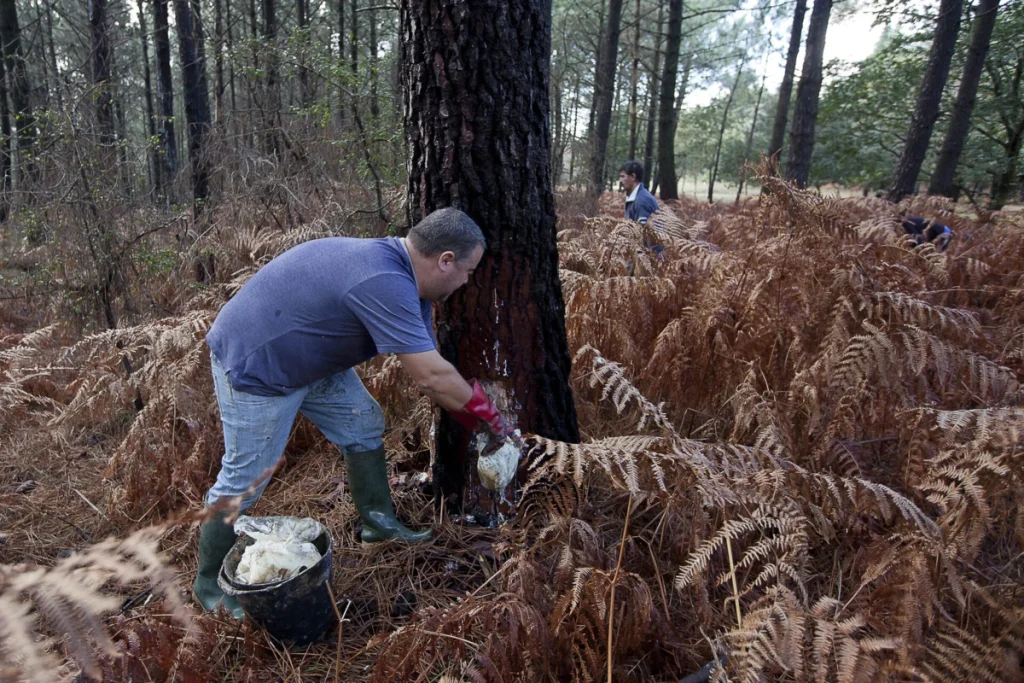
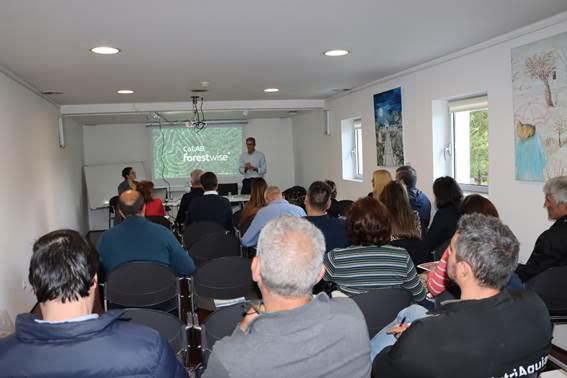
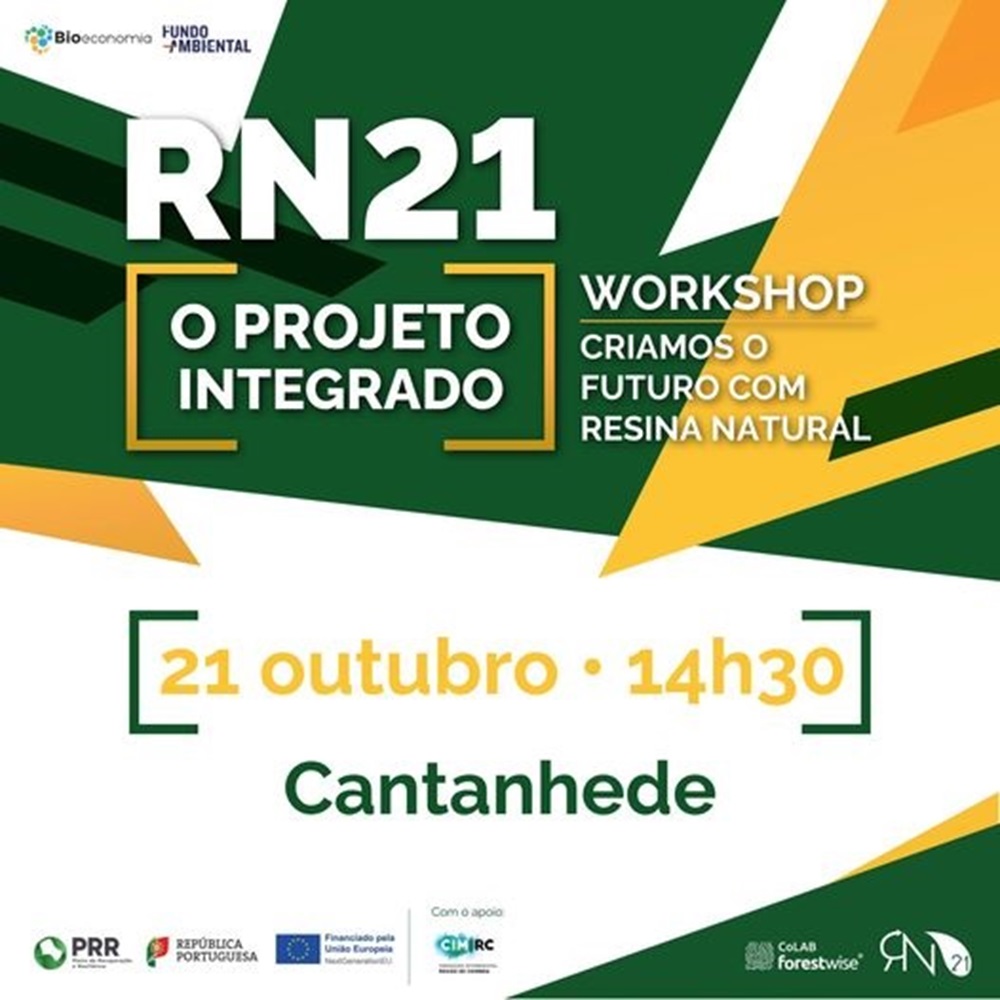
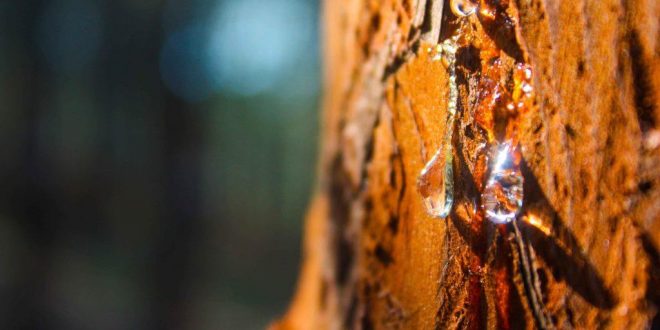
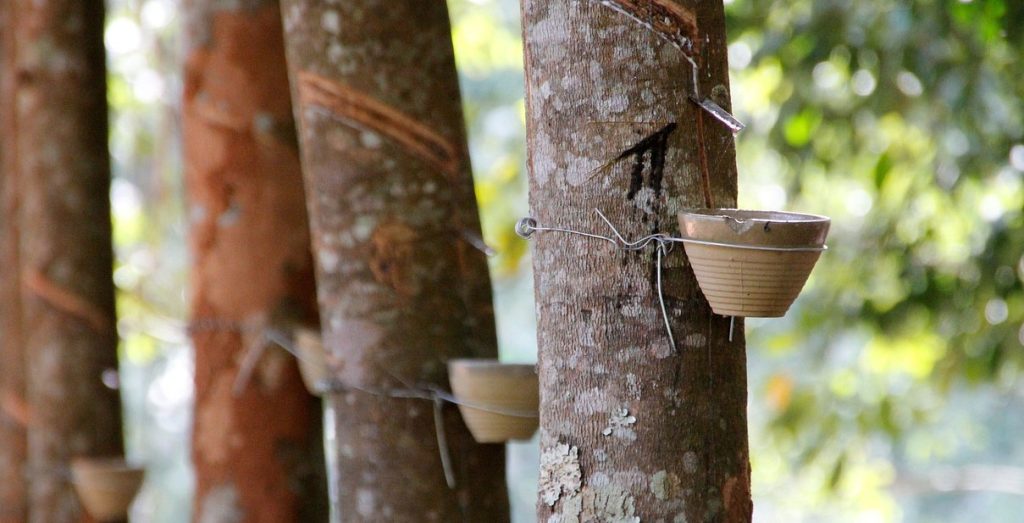
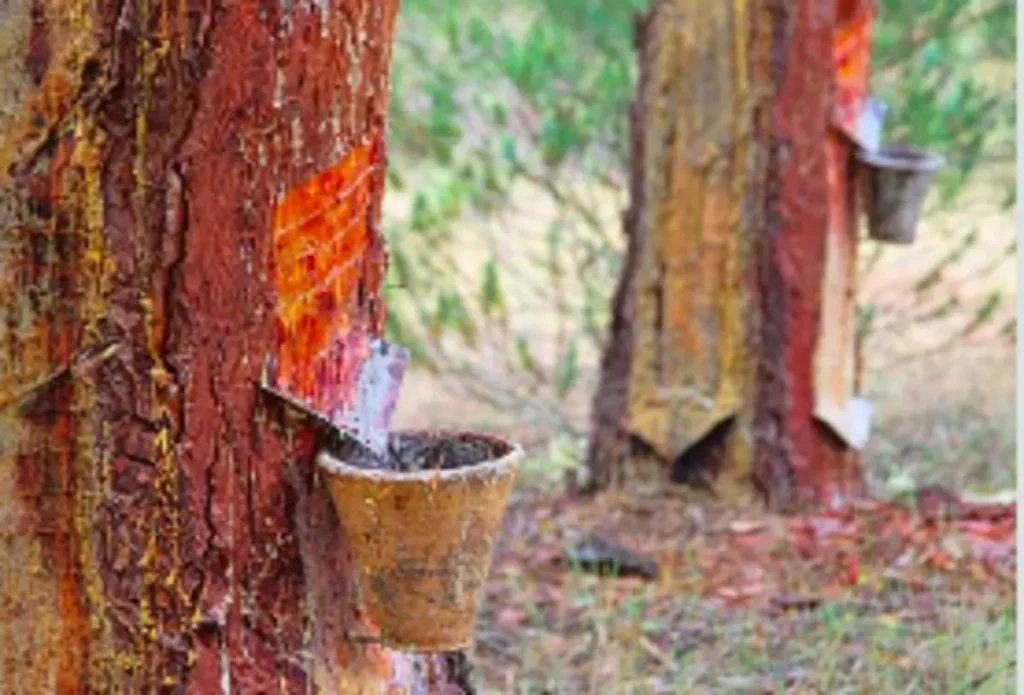
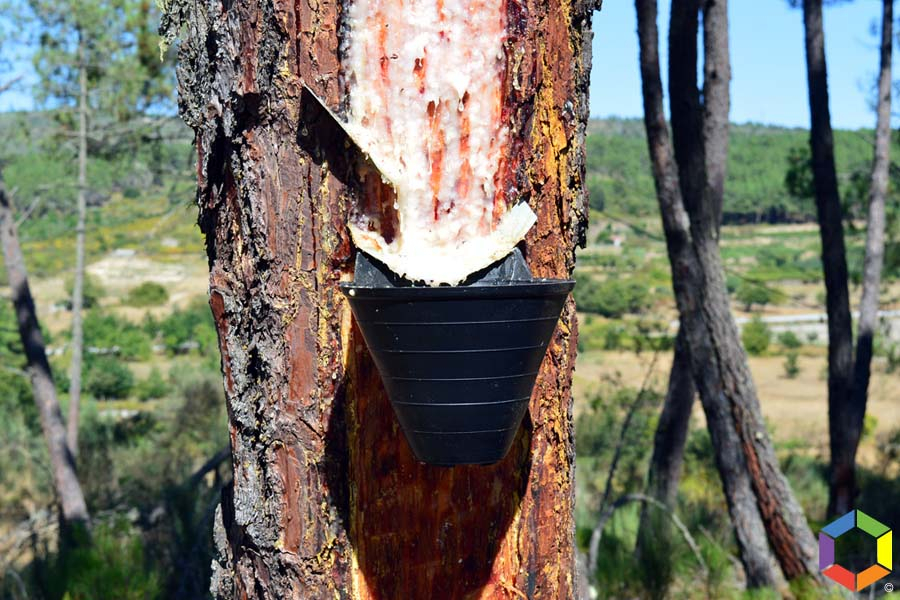
Representatives of companies linked to the sector attended yesterday, in Vila Pouca de Aguiar, demonstrations of new extraction techniques for closed bags that will allow a greater appreciation of the resin and profitability of the activity. “We are showing extraction techniques that are being developed and aim at modernization and greater efficiency compared to traditional methods,” the president of the Association of Resin Distillers and Explorers (Resipinus), Marco Ribeiro, told the Lusa agency. This is one of the 37 entities that are part of the consortium that is developing the RN21 – Natural Resin 21 project, financed by the Recovery and Resilience Plan (PRR), and which, among other objectives, wants to improve the efficiency of resin collection. The consortium is led by the ForestWise Collaborative Lab. It is within the scope of this project that resin extraction techniques are being developed, the demonstration of which took place in a pine forest in Tresminas, Vila Pouca de Aguiar, district of Vila Real. Marco Ribeiro explained that traditional methods are “very demanding in terms of labor” and use a púcaro or bag in an open system, which allows the entry of impurities, water, and the loss of volatile components of the characteristics of the resin that are highly valued in the market. In the new system, the resin is extracted into a púcaro (plastic container) or closed bag. The extraction is done through a nozzle that is placed in the pine, in a hole made with a drill with a drill. “They allow us to have fewer impurities, have greater appreciation of the raw material, and then generate greater profitability for the resin maker”, he stressed. Among the positive aspects, Marco Ribeiro pointed out that it can help attract new people to the sector, enable more income for pine forest owners, and provide more raw material for the industry. “We have three perspectives here: to improve the work of the resin worker, to improve the culture of maritime pine for the owners, and to improve the relationship with the industry”, he stressed. Resin exploration represents a turnover of around 10 million euros per year in Portugal, with about 500 resin workers resin between 20 thousand and 25 thousand hectares. According to official data, there are about 600 thousand hectares of pine forest in the country. “We are talking about a very large growth margin,” said Marco Ribeiro. For the use of these new “closed methods”, it will be necessary to make a change to the legislation, which is currently under review. The current used, open plastic bag costs between three and four cents, while the bag with a mouthpiece, closed, can cost between 15 and 20 cents. For Rui Salgado, who has a resin company based in Chaves, this is an investment that will pay off, because from this extraction, a higher quality product will come out, adding that, in the current bags, there is a percentage of 12% that goes to waste because it collects water or nozzles from the pine trees. “It can help a lot. The work that is being done now should have been done 20 years ago. This activity has to be modernized and mechanized, or we will not have people to work,” he stressed. The entrepreneur has 11 people working and extracts 300 tons of resin per year. Teresa Magalhães is a forest and resin worker and believes that the new method could be beneficial for workers. “It avoids desencarrasque [consists of removing the superficial layer of bark], which represents a lot of physical effort and is also good for the quality of production, because it is a resin that will come out clean, and I think it has another value in the market,” he said. This month, two more workshops will be held in Oleiros and Nazaré. The RN21 project runs until 2025, represents an investment of 26 million euros and a grant of 17.5 million. Learn more here