Natural Resin: a key raw material for the Sustainable Bioeconomy
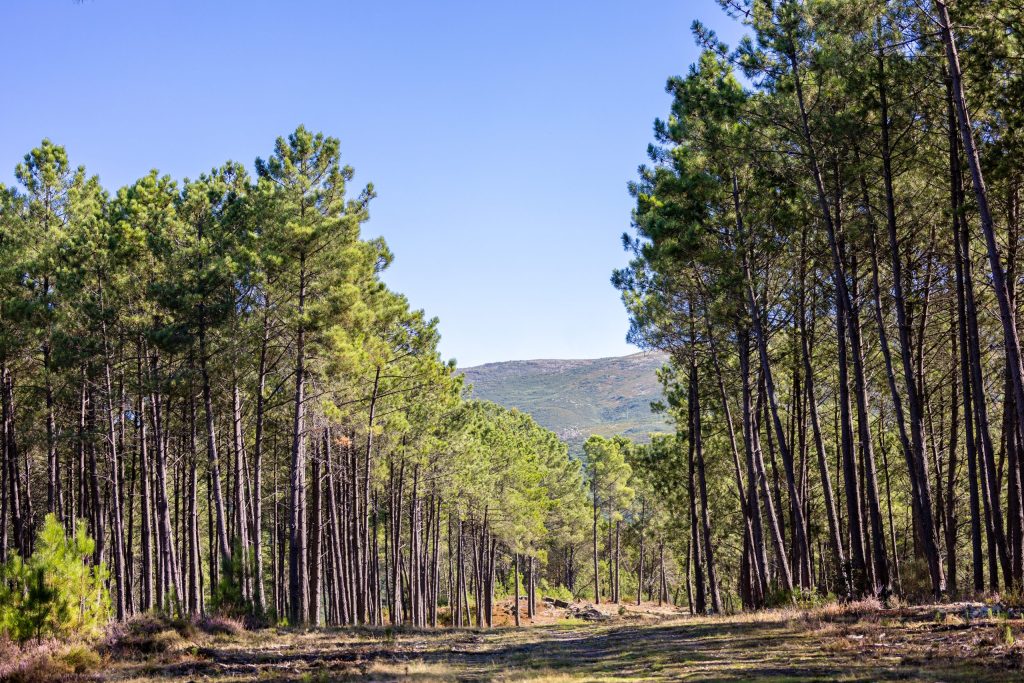
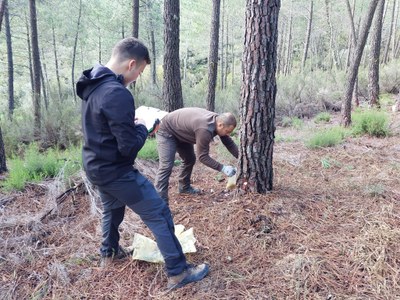
Resin is a natural product, produced by conifers as a defense and protection substance against infections. It is a viscous, transparent liquid with a strong pine odor and a strong adhesive character. Its use by man dates back to Antiquity, and there are traces of its use in the mummification process in Ancient Egypt. In Portugal, the record of the use of natural resin dates back to the 18th century. XV, having been used in the caulking of ships used in Portuguese maritime exploration. The use of Natural Resin and its derivatives has undergone profound changes over time, which reflect the improvements associated with the extraction process and technological and industrial development.The modernization of the resin harvesting process, combined with the vast pine forest and the incentive to resination, led, in the middle of the last century, to the exponential increase in the extraction of Natural Resin in Portugal. In the1974/75 campaign, Portugal was the world’s second-largest resin producer, reaching an all-time high of 140,000 tons/year. However, the entry into the market of new resin-producing countries at more competitive prices led to a decrease in the price of this raw material. The price decrease, associated with forest fires and the consequent decrease in pine forests, led to the progressive abandonment of this activity. Currently, Portugal produces about 5000 tons of Natural Resin per year.The increase in the production of Natural Resin in the 70s and 80s motivated the Portuguese industry to value this raw material, and at that time, the first industries of second-processing emerged. Despite the decrease in production, the Portuguese natural resin second-processing industry remained competitive, standing out worldwide.The tradition associated with this forestry activity, as well as the innovation of the Natural Resin processing industry and the potential of this natural and sustainable raw material, contributed to the Natural Resin sector being identified in Component 12 – Sustainable Bioeconomy, of the Recovery and Resilience Plan, together with the Textile and Clothing Industry and the Footwear Industry, as a key sector for promoting the climate transition.The RN21 Integrated Project – Innovation in the Natural Resin Sector for the Strengthening of the National Bioeconomy brings together, for the first time, the entire value chain of the Natural Resin Sector in Portugal, in a joint effort to leverage the entire sector.This Project is based on three pillars:I- Promotion of the production of national Natural Resin;II- Strengthening the sustainability of the manufacturing industry;III- Positive differentiation of Natural Resin and derived products.The Integrated Project, led by CoLAB ForestWISE, brings together 37 entities representing the entire value chain, from the production of Natural Resin, the first processing industry, the second processing industry, entities of the National Scientific and Technological System, entities linked to the territory and the market, in an unprecedented effort to promote the Natural Resin Sector. Of the 22 key measures that make up the Integrated Project, we highlight the development of new methods for the extraction of Natural Resin, a genetic improvement program for the production of resin, the determination of the potential for the production of resin from other pine species, the financial analysis and cocultivation for maritime pine management models with and without resin, the training of resiners, support for investment in the Natural Resin processing industries, the search for new applications and new market niches for rosin, the creation of a differentiating brand for Natural Resin and a communication campaign. Finally, the European commitment to the transition process towards carbon neutrality and circularity, contained in the European Green Deal and the European Action Plan for the Circular Economy, in perfect alignment with the European Bioeconomy Strategy and the European Forest Strategy, require us to take strategic measures that lead to the greater replacement of fossil carbon with renewable carbon from forests, as well as the valorization of ecosystem services and the increase of biodiversity.The RN21 Integrated Project will contribute to achieving the goals of the European Green Deal, which aims to achieve a reduction in net greenhouse gas emissions of at least 55% by 2030, through the development of new products. The new applications and niches for rosin will contribute to the replacement of fossil-based raw materials with natural and renewable raw materials.Along with the expected results of this project, it is important to expand measures aimed at sustainable forest management, stimulating territorial cohesion and rural economies, in this case, boosting national productivity using an indigenous species, which generates goods and services of excellence (wood, fibers, resin, among others), which will help achieve these objectives. Promoting sustainable forest management, through a lasting and stable strategy that creates greater resilience and competitiveness (in the forests and in the territory) is a goal where the maritime pine species can play an important role and where the natural resin will certainly strengthen the range of excellent biobased products that our country makes available to the market.Authors:Joana Vieira, Marta Martins, Jani Pires, Juliana Salvation, Joana Rodrigues, Alexandra Marques, Carlos Fonseca and Rogério Rodrigues CoLAB ForestWISE Learn more here
Natural Resin: a key raw material for the Sustainable Bioeconomy Read More »